
Carton Sealing Tape Keeps Lifting—Is the Tape or the Carton Responsible?
A systematic engineering diagnosis into corrugate surface energy, pressure-sensitive adhesive dynamics, mechanical wipe-down pressures, and warehouse storage microclimates.
Unravelling Seal Failure in Logistics & Warehousing
When automated lines or manual dispatch stations experience packaging tape pop-off, premature lifting, or corrugated tear failure, operations often face friction between tape manufacturers and corrugated box suppliers. Resolving bonding anomalies requires empirical troubleshooting.
Corrugated Substrate Dynamics
Modern packaging environments increasingly deploy high-recycled-content testliners and kraft paper alternatives. High recycled fiber counts reduce standard fiber lengths, increase unbound microscopic surface dust, and lower overall surface energy, inhibiting typical mechanical cross-linking with acrylic formulations.
Pressure-Sensitive Rheology
Standard packing tape uses water-based or solvent-based acrylic adhesives which are viscoelastic materials. They require adequate initial tack, correct shear properties, and specific mechanical energy to conform into the micro-cavities of fibrous carton boards.
Substrate Root Cause: Corrugated Box Properties
Cartons are rarely uniform. Recycled content, coatings, and structural memory introduce critical variables that determine whether an adhesive achieves lasting contact.
High Recycled Fiber Density
Cartons manufactured with high percentages of post-consumer waste (PCW Recycled Liner) possess shorter cellulose fibers. The matrix exhibits looser surface cohesion, causing the top layer of paper fibers to detach under tension rather than adhesive delamination.
Chemical Coatings & Sizing Agents
Water-resistant varnishes, anti-humidity wax emulsions, or silicone barrier coatings suppress porosity. When a board is engineered to repel water, water-based acrylic adhesives struggle to wet out across the non-polar surface plane.
Carton Dust & Particulate Load
Slitting and rotary die-cutting operations generate microscopic paper dust. If dust settles over the outer liner during carton assembly, the tape adhesive bonds to the loose particulate barrier instead of solid structural fibers, resulting in unbonded lifting.
Mechanical Application & Warehouse Climate Constraints
Even premium tape applied to pristine virgin kraft liner can fail if mechanical wipe-down pressures and thermodynamic rules are neglected.
Insufficient Wipe-Down Force
Pressure-Sensitive Adhesives (PSA) require sustained direct force to flow into microscopic valleys. Without sufficient wiper roller pressure or operator wipe-down, the effective contact area remains below 40%, leaving flaps vulnerable to spring-back force.
Sub-Glass Transition Storage
Standard polymer acrylic systems experience hardening at low temperatures. If packing areas operate below 10°C (50°F) without warm-up cycles, adhesive viscosity climbs, reducing quick-stick properties and preventing molecular interpenetration.
Overfilled Flap Memory Tension
Bulging contents exert permanent restorative mechanical force against carton flaps. When internal upward tension exceeds the sheer holding power of the tape's adhesive film, peel mode failure initiates gradually from the carton seams.
Failure Signature Analysis Matrix
Examine the underside of the lifted tape roll strip under clear lighting to pinpoint root accountability with accuracy.
| Visual Inspection of Lifted Tape | Physical Substrate Condition | Likely Failure Root Cause | Primary Accountability |
|---|---|---|---|
| Fiber Tear Observed: Underside of tape is completely coated with paper fibers. | Top liner shows delamination; raw corrugation core exposed. | Board internal bonding strength is weaker than tape shear; liner peeled internally. | Carton Quality / Liner Selection |
| Clean Adhesive Layer: Underside remains sticky with no fibers or residues attached. | Carton surface intact, smooth, with no visual disruption. | Insufficient application pressure, cold packing environment, or high surface wax/coatings. | Application Process / Chemistry Mismatch |
| Chalky Dust Barrier: Underside feels dry and powdery; no tack left on film. | Corrugated scoring line generated heavy manufacturing debris. | Surface contamination by corrugated cutting dust prevented adhesive wet-out. | Converting Sanitation / Dust Control |
| Adhesive Tunneling / Creep: Tape stretched, wrinkled, or sliding across carton flap. | Flaps overfilled, creating permanent dynamic upward shear. | Box volume exceeds capacity or film micrometer thickness is too thin for box tension. | Process Design & Dimension Selection |
Zhuori Production Capability: Four-Axis PE Cast Film Line
Zhuori uses four-station cast film PE stretch film and silage film production lines (1000–4000 mm), combining automated production with stable process control to support consistent film quality and flexible production requirements.
- Multi-Layer Co-Extrusion: Flexible material combinations tailored for varying operational performance metrics.
- Automatic Winding & Roll Changing: Four-station turret winding with 90° automated cut-and-transfer cycles to ensure roll consistency across industrial runs.
- 1000–4000 mm Production Width: Supports broad custom slit conversions, custom core sizing, and optimized high-speed packaging requirements.
- Stable Production Quality: Standardized production control systems maintain cohesive tensile and adhesive specs across production batches.
About Zhuori (Guangdong) Industry Co., Ltd.
A specialized manufacturer focused on high-performance plastic raw material formulation, automated converting, and modern supply chain solutions.
Industrial Heritage
Founded in 1998 as Guangzhou Nansha YouJan Plastic Co., Ltd., expanded with dedicated R&D facilities in 2002, and established Zhuori (Guangdong) Industry Co., Ltd. in 2013 to serve expanding export markets.
Global Tier-1 Partner
Our Guangzhou headquarters features nearly 500 team members who have supplied global enterprises including LG, GREE, TOYOTA, SF Express, Foxconn, Hisense, Panasonic, Midea, and Haier over nearly two decades.
Scalable Converting Lines
Our 9,600+ m² facility operates 5 stretch film production lines (50 tons/day), 5 packing tape production lines (30 tons/day), and 4 strapping band lines (30 tons/day) under strict ISO-aligned manufacturing tolerances.
Engineered Packaging Tape Solutions
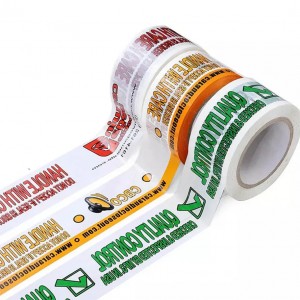
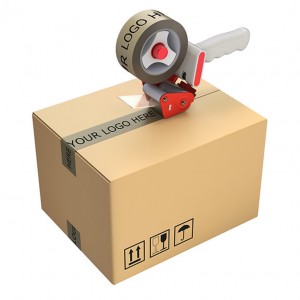
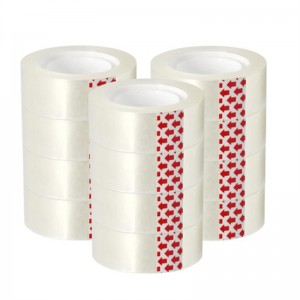
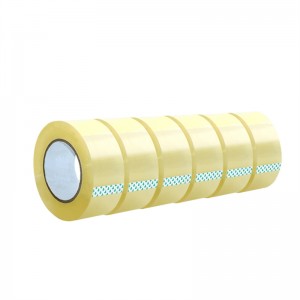
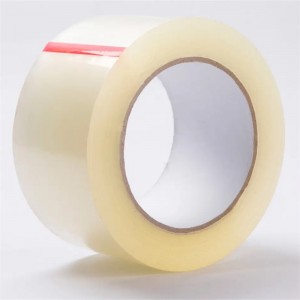
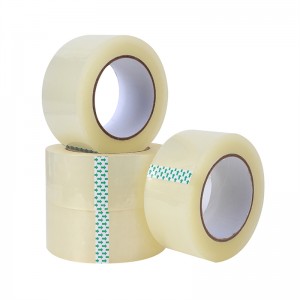
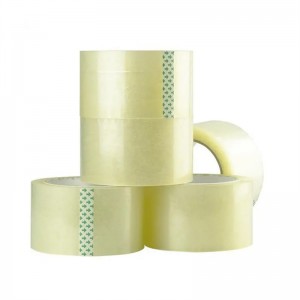
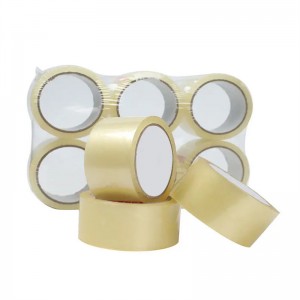
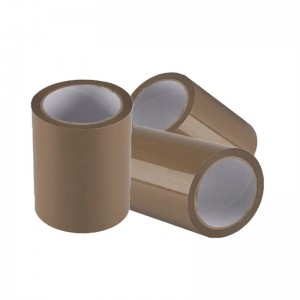
Explore standard, heavy-duty, and custom-printed BOPP acrylic carton sealing tapes designed for reliable adhesion across diverse logistics environments.



Procurement Audit: Data Points to Confirm Before Sourcing
Prevent seam failure and reduce procurement disputes by documenting these operating parameters before issuing technical orders.
1. Corrugated Liner Spec
Identify whether the outer liner is virgin Kraft (virgin softwood fibers) or Testliner (recycled content). Note whether aqueous barriers, wax, or anti-humidity coatings were applied during board production.
2. Mass & Structural Tension
Establish exact gross carton weights along with internal void volume. If internal contents lack structural support or overfill beyond the crease line, determine the required backing thickness.
3. Ambient Thermal Profiles
Define sealing conditions and transit environments: Is tape applied in an unheated winter packing station (sub-10°C) or passing through cold-chain distribution before ambient delivery?
4. Application Methodology
Differentiate between handheld manual tape guns with friction wipe tabs versus automated case tapers with spring-loaded, rubber wipe-down rollers. Automated lines run on larger machine-length master rolls.
Corrective Workflow: Resolving Lifting on the Line
Follow this staged action plan to identify whether adhesive reformulation or carton supplier adjustments are needed.
Step 1: Increase Compression Force
Inspect hand dispensers or machine wipe-down blades. Ensure operators run a firm thumb or palm wipe across the seam. Pressure-sensitive adhesive cannot bond without mechanical energy to wet the carton fibers.
Step 2: Clean Line Debris
Examine case erectors and carton scoring heads. If slitting dust covers carton flaps, adjust dust vacuuming or use anti-static blowers before boxes enter the sealing station.
Step 3: Match Adhesive Coating Weight
For highly recycled, dusty, or cold-stored boxes, upgrade from economy coats to higher-solid emulsion acrylics or thicker adhesive layers capable of deeper fiber absorption.
Contact Information
- +86 18127875878
- sunny@zhuorigroup.com
- No.383, Guangzhu Road, Dagang Town, Nansha District, Guangzhou
Follow Us by


Category
