

Stretch wrap plays a critical role in modern logistics and warehouse operations. It is widely used to secure palletized goods, improve load stability, reduce product damage during transportation, and enhance overall supply chain efficiency. As global trade continues to expand and logistics systems become more complex, choosing the right stretch wrap has become a key decision for manufacturers, distributors, and warehouse operators.
However, not all stretch wraps are created equal. Different film types, thickness levels, stretch ratios, and manufacturing processes significantly impact performance. Selecting the wrong type of stretch wrap can lead to unstable pallets, increased material waste, higher transportation risks, and unnecessary packaging costs.
Understanding how to choose the right stretch wrap for pallet packaging helps businesses optimize efficiency while ensuring product safety throughout the supply chain.
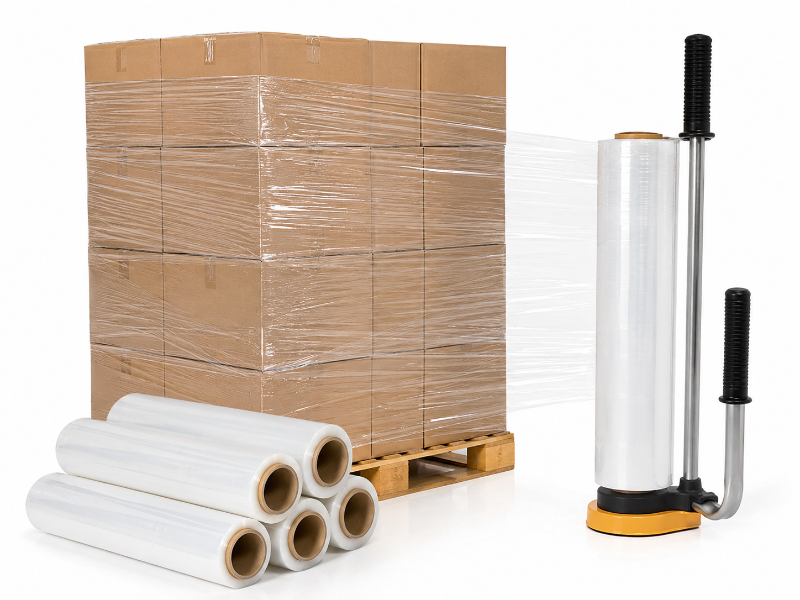
Why Choosing the Right Stretch Wrap Matters
Stretch wrap is not just a packaging material. It directly affects logistics performance and operational costs.
Proper selection helps businesses:
• Improve pallet stability during transport
• Reduce packaging material consumption
• Lower total logistics costs
• Minimize product damage
• Improve warehouse efficiency
Even small improvements in film selection can create significant long-term savings.
Understanding the Main Types of Stretch Wrap
Before selecting the right product, it is essential to understand the three main types of stretch wrap used in the industry.
Cast Stretch Wrap
Cast stretch wrap is known for its clarity and smooth unwinding.
Key features include:
• High transparency
• Quiet application
• Consistent thickness
• Easy machine use
It is commonly used in high-speed warehouse operations.
Blown Stretch Wrap
Blown stretch wrap is produced through a different manufacturing process that provides higher strength.
Key features include:
• Strong puncture resistance
• Excellent load retention
• High durability
• Better performance for heavy loads
It is ideal for industrial applications.
Pre-Stretched Film
Pre-stretched film is mechanically stretched during production.
Key features include:
• Reduced material usage
• Lower application force required
• Cost efficiency
• Consistent wrapping performance
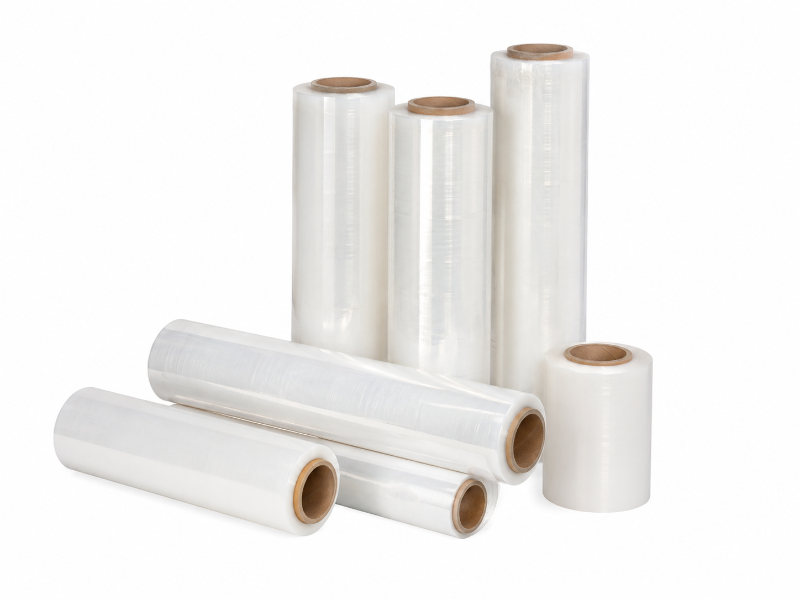
Key Factors to Consider When Choosing Stretch Wrap
Selecting the right film depends on several operational factors.
Load Weight and Stability
Heavier or unstable loads require stronger film with higher puncture resistance.
Transportation Distance
Long-distance shipping requires more durable stretch film to prevent load shifting.
Storage Conditions
Outdoor or humid environments may require higher barrier protection.
Wrapping Method
Machine wrapping and manual wrapping require different film performance characteristics.
Performance Comparison of Stretch Wrap Types
Different films perform differently depending on application requirements.
Cast and blown stretch films are the most widely used globally, but they serve different purposes.
Operational Comparison Overview
Cast film performs better in speed and efficiency, while blown film excels in durability and strength.
Stretch Wrap Performance Comparison (Industry Reference)
Below is a general industry comparison for pallet wrapping applications:
• Cast Film: Excellent clarity, moderate puncture resistance, high efficiency
• Blown Film: High puncture resistance, strong load retention, moderate clarity
• Pre-Stretch Film: Best material efficiency, lower application force, cost saving advantage
Key takeaway: each film type serves different operational needs.
How to Match Stretch Wrap to Different Applications
Different industries require different packaging strategies.
E-commerce Warehouses
Best choice: Cast stretch wrap
Reasons:
• Fast wrapping speed
• High efficiency
• Clear product visibility
Heavy Industrial Products
Best choice: Blown stretch wrap
Reasons:
• High puncture resistance
• Strong load stability
• Safe long-distance transport
High-Volume Distribution Centers
Best choice: Pre-stretched film
Reasons:
• Material savings
• Reduced operational cost
• Consistent wrapping quality
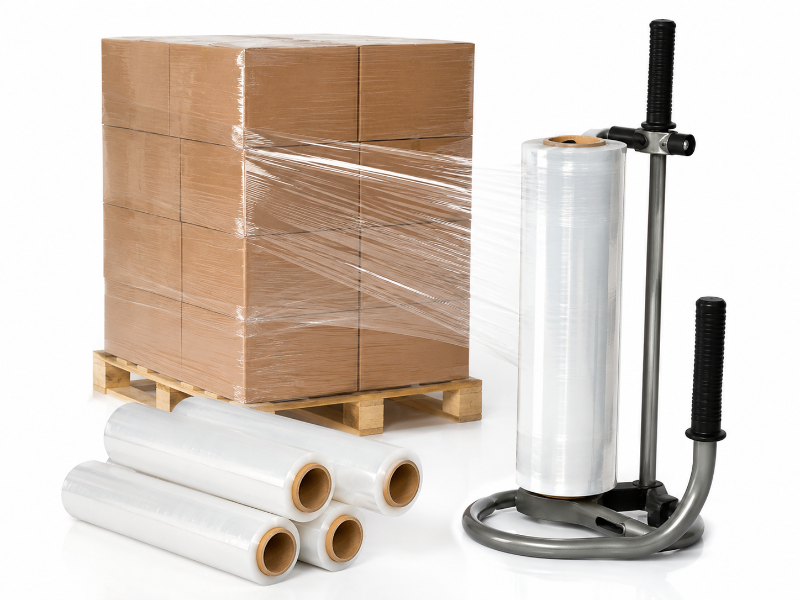
Common Mistakes in Stretch Wrap Selection
Many companies make costly mistakes when selecting packaging film.
• Choosing based only on price
• Ignoring load characteristics
• Using wrong film thickness
• Not considering machine compatibility
• Overusing material due to poor wrapping technique
These mistakes often lead to higher long-term costs.
How Stretch Film Thickness Affects Performance
Thickness is one of the most important factors in film selection.
• Thicker film provides stronger protection
• Thinner film reduces cost but may require more layers
• Optimal thickness depends on load weight and stability
Choosing the right balance is critical for efficiency.
Working with a Professional Stretch Wrap Manufacturer
A reliable manufacturer can significantly improve packaging efficiency.
Key advantages include:
• OEM customization options
• Stable product quality
• Technical packaging support
• Material optimization guidance
• Cost reduction solutions
A strong supplier partnership improves long-term logistics performance.
Sustainability in Stretch Wrap Selection
Modern packaging trends are shifting toward sustainability.
Material Reduction
Advanced films use less plastic while maintaining strength.
Recyclable Solutions
Many manufacturers now offer recyclable stretch wrap options.
Energy Efficiency
Improved production technology reduces environmental impact.
Conclusion
Choosing the right stretch wrap for pallet packaging is a critical decision that directly affects logistics efficiency, product safety, and operational costs. Businesses must consider load type, transportation conditions, wrapping methods, and material performance before selecting a film type.
Cast stretch wrap is ideal for high-speed warehouse operations and lightweight loads, while blown stretch wrap provides superior strength for heavy-duty applications. Pre-stretched film offers excellent cost efficiency for high-volume packaging environments.
By understanding these differences and working with an experienced stretch film manufacturer, companies can significantly improve packaging performance, reduce material waste, and enhance supply chain efficiency.
FAQ
What is the best stretch wrap for pallets?
It depends on the load type. Cast film is best for general use, while blown film is better for heavy-duty loads.
What is the difference between cast and blown stretch wrap?
Cast film is smoother and more efficient, while blown film is stronger and more durable.
How do I choose stretch wrap thickness?
Thicker film is used for heavier loads, while thinner film is used for lighter, stable pallets.
Can stretch wrap be customized?
Yes, manufacturers can customize thickness, width, stretch ratio, and roll size.
Is pre-stretched film cost-effective?
Yes, it reduces material usage and improves packaging efficiency.
Which stretch wrap is best for shipping?
Blown stretch wrap is often preferred for long-distance or heavy shipments.
Post time: Jul-01-2026


