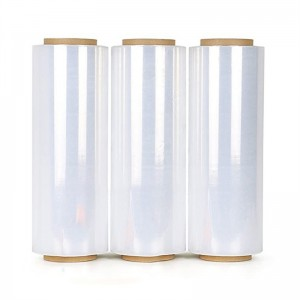

Stretch wrap is one of the most widely used packaging materials in palletizing, warehousing, and logistics. However, selecting the right stretch wrap is not only about thickness or price. The correct choice directly affects load stability, transportation safety, and overall packaging cost.
This guide explains what stretch wrap is used for, which performance factors matter most, and how to choose the right stretch wrap film for different pallet and shipping requirements.
1. What Is Stretch Wrap Used for in Packaging?
Stretch wrap is a flexible plastic film designed to stretch and recover, allowing it to tightly secure products on a pallet. Instead of using heat, stretch wrap relies on elastic tension to hold items together, reducing movement during handling, storage, and transportation.
In industrial and commercial packaging, stretch wrap is commonly used to:
• Stabilize palletized products
• Protect goods from dust, dirt, and moisture
• Improve safety during transportation
• Reduce product damage and shipping losses
Because stretch wrap is applied under tension, its performance depends heavily on selecting the correct film type and specifications.
2. Important Performance Factors of Stretch Wrap Film
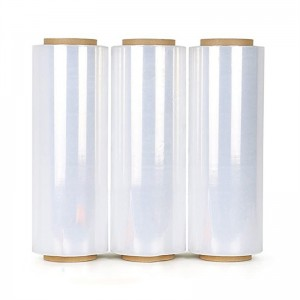
Not all stretch wrap films perform the same, even if they appear similar. Understanding the following performance factors helps avoid load failure and unnecessary material waste.
2.1 Stretch Wrap Thickness (Gauge)
Gauge refers to the thickness of the stretch wrap film and plays a key role in determining strength and holding force.
Lower-gauge stretch wrap is typically suitable for light and uniform pallet loads, while higher-gauge stretch wrap provides greater strength for heavier or unstable loads.
Choosing the correct gauge helps balance load security and packaging cost.
2.2 Load Retention and Elastic Recovery
A high-quality stretch wrap film should stretch easily during application and recover after wrapping. This elastic recovery creates the containment force that keeps pallet loads tight over time.
Stretch wrap with poor recovery may result in loose pallets, even when excessive film is used.
2.3 Puncture and Tear Resistance
For pallets with sharp edges or uneven surfaces, puncture resistance is critical. Stretch wrap with strong tear resistance helps prevent film breakage during wrapping and maintains consistent tension throughout transportation.
3. Types of Stretch Wrap for Different Applications
Different operations require different types of stretch wrap depending on packaging volume, equipment, and efficiency requirements.
3.1 Hand Stretch Wrap
Hand stretch wrap is designed for manual application and is commonly used in low-volume packaging operations or environments with irregular pallet shapes. It offers flexibility but may result in inconsistent tension if not applied properly.
3.2 Machine Stretch Wrap
Machine stretch wrap is used with automatic or semi-automatic wrapping machines. It provides consistent tension, higher stretch capability, and improved load containment, making it ideal for warehouses and high-throughput logistics operations.
3.3 Pre-Stretched Stretch Wrap Film
Pre-stretched stretch wrap film is stretched during manufacturing before being rolled. It requires less effort during application, helps reduce material usage, and improves wrapping consistency.
3.4 Opaque and Colored Stretch Wrap
Opaque or colored stretch wrap is often used to conceal pallet contents, improve load identification, and enhance security during transportation.
4. How to Select the Right Stretch Wrap for Your Pallet Loads
Selecting the correct stretch wrap starts with understanding your pallet characteristics and shipping conditions.
4.1 Load Weight and Stability
Heavier pallets or loads with a high center of gravity require stronger containment force. In these situations, higher-performance or machine-grade stretch wrap is often recommended.
4.2 Pallet Shape and Product Surface
Irregular pallet shapes, sharp corners, or mixed product loads require stretch wrap with greater elasticity and puncture resistance to ensure stability.
4.3 Storage and Transportation Conditions
Long storage periods, outdoor exposure, or long-distance transportation may require stretch wrap with enhanced durability to maintain tension over time.
5. Hand Stretch Wrap vs. Machine Stretch Wrap
Hand stretch wrap and machine stretch wrap serve different operational needs.
Hand stretch wrap provides flexibility and requires minimal equipment investment, while machine stretch wrap improves efficiency, reduces film waste, and ensures consistent pallet containment.
For operations with increasing shipment volume, machine stretch wrap often delivers long-term cost savings.
6. Common Mistakes When Selecting Stretch Wrap Film
Many pallet failures and packaging issues result from incorrect stretch wrap selection, including:
• Using thicker film than necessary
• Applying insufficient tension during wrapping
• Choosing stretch wrap that is incompatible with wrapping equipment
Avoiding these mistakes helps improve load stability and reduce overall packaging costs.
7. How to Reduce Stretch Wrap Costs Without Sacrificing Performance
Reducing stretch wrap costs does not always mean switching to cheaper film. Effective cost control focuses on:
• Matching film performance to actual load requirements
• Improving wrapping techniques
• Using consistent application methods or automated equipment
Proper selection often reduces total film consumption while maintaining load security.
8. Why Choose Zhuori as Your Stretch Wrap Manufacturer
As a professional stretch wrap manufacturer in China, Zhuori provides industrial stretch wrap solutions for logistics, warehousing, and export packaging.
We offer customized stretch wrap film specifications, stable quality control, and support for bulk orders and OEM requirements. Our team works closely with customers to recommend stretch wrap solutions that improve pallet stability while controlling packaging costs.
Post time: Jan-04-2026